
Subscribe Now

Simply Enter Your Details To Find Out How
We Can Help Your Business


Ready to go on a Discovery?


To Book your Employee Metrics Lite session, please fill in the details below and we will be in contact.

Apply Now

Please fill up the fields below
Employee Matters Logo
Get in Touch Get in Touch (02) 8021 4206
  • HR Services
        • Outsourced HR
        • How We Work - HR
        • Employee Metrics - Data Diagnostics
        • Featured Industries:

        • Australian Startups
        • Finance, Insurance and FinTech
        • Featured Solutions:

        • HR Consulting
        • Workplace Training
        • HR Policies & Procedures
        • Employee Assistance Program (EAP)
        • Products and Packages

        • We deliver measurable results through great HR:

        • Hear What Our Clients Say
  • Recruitment Services
        • Outsourced Recruitment
        • Featured Solutions:

        • Tiered Recruitment Packages
        • Recruitment Partner Service (RPS)
        • Learn More:

        • Hiring Manager Training
        • Why Choose Us for Recruitment?
        • How We Work (RPS)

        • We’re not an agency, and our clients love that:

        • Hear What Our Clients Say
  • About Us
    • About Employee Matters
    • Meet the Team
    • What Our Clients Say
    • Core Values and Vision
  • Resources
        • The Latest:

        • News and Media
        • Blog Articles
        • Videos and Webinars
        • Featured Content:

        • ER Legislation Resource Hub
        • e-Book: 7 ER Risks for Employers
        • Downloads and Knowledge Hub:

        • HR Forms & Checklists
        • 'Working From Home' Pack
        • HR & Recruitment FAQ’s
        • Book: "From Hire to Fire"
        • From the Archives:

        • 'Employees Matter' Podcast
  • Jobs
  • Contact Us

Navigating Australia’s New WHS Landscape: The Importance of Minimising Psychosocial Hazards

19/09/2025

Once upon a time, workplace safety predominantly conjured images of hard hats and safety boots, focusing solely on physical dangers like slips, trips and falls. However, a significant shift has occurred in Australia's work health and safety (WHS) landscape. Since amendments were introduced in 2022, it has become clear that workplace safety also includes  "psychosocial hazards" – in other words, anything in the workplace that could cause psychological harm. 

These hazards are essentially any aspect of work design, systems, or environment, or their interaction, that can lead to harm. Examples include high workloads, inadequate recognition, low control, poor support, bullying, harassment and poor organisational change management. Prolonged exposure to these types of  job strains can increase the risk of mental health conditions like stress and depression.

Under the updated WHS codes of practice, employers now have a legal obligation to minimise psychosocial risks in the workplace. As Dr Kathryn Page, an organisational psychologist, warns, if leaders are aware of stressors and fail to take reasonable steps to assess, eliminate, or mitigate them, they can be legally at risk. WorkSafe inspectors are empowered to issue notices regarding the psychosocial work environment, just as they would for physical hazards, marking an "incredible change and improvement".

Employee Relations Compliance Score Calculator

Answer a few quick questions to uncover your compliance risks and get an instant, confidential report.

Begin Compliance Check

Recent Cases: A Clear Warning for Employers

The growing weight placed on psychological risk in Australian WHS law is now evident in recent regulatory actions and legal decisions:

  1. SafeWork NSW Intervenes in Redundancy Process (September 2025): In an unprecedented move, SafeWork NSW issued a prohibition notice halting job cuts at a university due to a "serious and imminent risk of psychological harm". This marks the first time SafeWork intervened in a redundancy process on mental health grounds. The regulator acted following staff complaints about inadequate consultation, short-notice meetings and "finalistic" language that created heightened anxiety and a "culture of fear". While the prohibition notice was later lifted, this case serves as a stark warning that the expectations of the 2023 psychosocial hazards Code of Practice are being tested and enforced.
  2. Unreasonable Redundancy Causes Psychological Injury (August 2025): In Ahmadi v New Evolution Ventures Australia Pty Ltd, the NSW Personal Injury Commission upheld a long-serving manager's workers' compensation claim for depression and anxiety, finding his "shocking" redundancy caused psychological injury. Despite receiving HR advice, the employer gave the manager no prior notice of the redundancy meeting, no opportunity for a support person, no chance to seek legal advice and no option to work out a notice period. He was also only given a single day to clear out 14 years of personal belongings. The Senior Member found the employer's actions "fell far short of establishing that its action with respect to the [manager's] retrenchment was reasonable".

Free Infographic Download:

Psychosocial Hazards in Australian Workplaces

Discover the latest stats on mental health risks, claims, and costs affecting Australian workplaces.
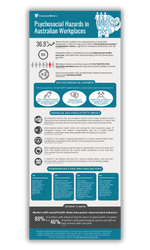
Access Infographic

Why Minimising Risks is Crucial: Avoiding WHS Claims and Fines

These cases powerfully underscore the critical importance for employers to proactively minimise psychosocial hazards. The consequences of inaction can be severe, leading to significant workplace health and safety claims and potential regulatory fines.

  • Legal Risks and Fines: Regulators like SafeWork NSW are increasing their focus on psychosocial hazards, particularly in large businesses. Inspectors conducting WHS visits in businesses with 200 or more workers will also complete a psychosocial check and a lack of appropriate action can lead to regulatory action and prosecution. Employers are being held to a high bar, requiring risks to be mitigated or eliminated as far as reasonably practicable, which demands proactive steps.
  • WHS Claims: As seen in the Ahmadi case, employees who suffer psychological harm due to unreasonable workplace actions can successfully claim workers' compensation, incurring significant costs for businesses. This highlights the direct financial impact of failing to manage psychosocial risks effectively.

Beyond mere compliance, creating environments where people thrive not only improves health outcomes but also drives performance; it becomes good for business, not just the right thing to do.

Download Checklist:

HR & Recruitment Self-Assessment

Identify strengths and gaps in your current practices and set the stage for future improvements.
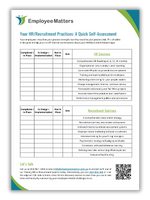
Access the Checklist

Proactive Steps Your Organisation Can Take

Addressing psychosocial hazards often requires deepseated cultural or structural changes. Here's how to get ready:

1. Identify Hazards Systematically: Utilise resources like Safe Work Australia’s Managing psychosocial hazards at work: Code of Practice and ISO 45003. Anonymous surveys can effectively pinpoint hazards, with questions focusing on work design rather than individual feelings. Other valuable data sources include check-ins, exit interviews, incident reports and listening sessions.

2. Consult and Collaborate with Staff: It is vital to involve employees in identifying and addressing hazards. Solutions should ideally be developed in collaboration with those doing the job, as their frontline experience often differs from management's perception.

3. Build Trust: Trust is paramount; employees must feel it is safe to report hazards without fear of repercussions, otherwise, problems will remain hidden and unaddressed.

4. Adopt Robust Frameworks:

    • The Prevent, Promote and Support Model: This integrated approach focuses on:
      • Preventing harm: Setting realistic workloads, making it safe to say no and improving work systems.
      • Promoting wellbeing: Giving employees a voice, opportunities to craft roles and fostering connection.
      • Responding to mental health problems: Creating a safe environment for employees to speak up and providing pathways to support.
    • The SMART Work Design Model: Encourages workers to think about changes to job design, workflows, systems, or structures to make work more tolerable, meaningful and stimulating.

5. Manage Restructures with Care: When contemplating redundancies, employers must go beyond traditional consultation. A robust risk mitigation plan should include:

    • Assessing risks: Consulting experts, conducting anonymous surveys and structured psychosocial risk assessments.
    • Mitigating risks: Scheduling consultation meetings with adequate notice, using empathy and transparency in communications, offering external support and training managers in supportive conversations.
    • Testing effectiveness: Gathering employee feedback and monitoring wellbeing metrics. Crucially, consultation must be early and meaningful, clearly communicating the reasons for restructure and potential impacts before decisions are made and genuinely considering employee suggestions. Thoughtful and empathetic communication, along with psychological support, is essential when communicating final decisions.

6. Maintain Thorough Records: Employers should keep meticulous records of how they assess, address and monitor psychosocial risks, both to protect employees and to demonstrate compliance.

The landscape of Australian workplace safety has fundamentally changed. Organisations must embrace this broader definition of safety, not just to meet legal obligations and avoid significant WHS claims and potential fines, but to cultivate a workplace where everyone can thrive. Investing in psychosocial safety is an investment in your people and your business's long-term success.

Free Download:

Working From Home Pack

These resources will help your team stay productive, focused, and supported while working remotely
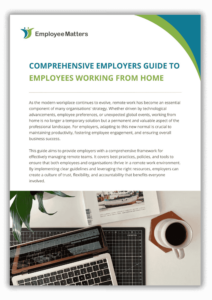
Download the Pack

Need help for your organisation?

For expert guidance on navigating complex issues - from implementing robust psychosocial risk assessment and mitigation strategies, to ensuring meaningful consultation and meticulous record keeping during sensitive processes like restructures, contact Employee Matters today to protect your people, your reputation and your bottom line:

Get in Touch

Tell us a bit about your business and we’ll be in touch to:

  • Understand the challenges that are holding your team or growth back
  • Show you how our embedded HR and Recruitment Experts can solve problems faster, without the overheads
  • Identify high-impact areas where HR and Recruitment support could save you time, stress, and money
  • Map out a tailored approach based on your goals, industry, and internal capabilities

Alternatively, you can call us on (02) 8021 4206.
Tags: Employee management, Legislation, Health and safety, Management
Contents
Recent Cases: A Clear Warning for Employers
Why Minimising Risks is Crucial: Avoiding WHS Claims and Fines
Proactive Steps Your Organisation Can Take
Need help for your organisation?
Get in Touch

Latest News and Media

The Making of a CEO: Strategies for Success – Howse & Rivers

  • 12/09/2025
In a recent conversation with Adelle Howse from Howse & Rivers, Natasha Hawker shared the journey of starting and growing Employee Matters. While many see an "overnight success," the reality...
Read More

Building Stronger Businesses Through People: Natasha Hawker on the ScaleX Insider Podcast

  • 12/08/2025
“You don’t build a business — you build people and people build the business.” This was the central theme when Natasha Hawker, Founder of Employee Matters and leading expert in...
Read More

Experts Weigh In on Correct Hot-Desking Etiquette

  • 22/07/2025
Hot-desking is now common in many Australian workplaces, but not everyone knows the best way to share a desk. Natasha Hawker, managing director of HR and recruitment firm, Employee Matters,...
Read More

The Sick Tax: How to Tackle Presenteeism in Your Workplace

  • 03/06/2025
The Sick Tax in Australian Workplaces and Why ‘Presenteeism’ Is Costing Businesses Billions If you’ve ever felt guilty about calling in sick, you’re not alone. Natasha Hawker, founder of Employee...
Read More

High Paying Jobs You DON’T Need A Degree For

  • 20/05/2025
A university degree has long been seen as the primary path to a high salary, but with the evolving job market, many Australians are discovering alternative routes to rewarding careers....
Read More

Should You Speak Up if You See Bad Behaviour at Work?

  • 06/05/2025
Speaking Up at Work: What Should You Do When You Witness Unethical Behaviour? Workplace conflict is inevitable, but how it’s managed—or ignored—can make all the difference to employee wellbeing, team...
Read More

Tactic linking promotions to being in office completely divides Aussie workers

  • 27/04/2025
Promotions Now Tied to Office Attendance? The Return-to-Office Push Divides Aussie Workers A growing number of Australian employers are finding new ways to encourage staff back into the office —...
Read More

Aussie Bosses Shamed as ‘Ghosting’ Trend Leaves Workers in the Dark

  • 06/03/2025
The hiring process is under scrutiny as job seekers take a stand against being "ghosted" by potential employers. An increasing number of candidates are speaking out about the frustration of...
Read More

Latest Blog Articles

What Happens When an Employee Runs Out of Sick Leave?

  • 27/11/2025
Managing long or frequent employee absences can be complex. Once an employee has used all of their paid Personal/Carer’s Leave, your obligations shift - and so does your risk. Here’s...
Read More

The Employer’s Guide to the Work Christmas Party: Plan the Fun and Ditch the Risk

  • 19/11/2025
The end-of-year work Christmas party is an Australian tradition, a time to celebrate a year of hard work, build team morale and thank your employees for their efforts. But for...
Read More

Safety First, Spirits Second: How a Sydney Hospitality Group Became a Compliance Legend

  • 19/11/2025
The Sydney hospitality scene is buzzing, but behind the craft cocktails and boutique whiskeys, there's serious business - especially when it comes to compliance. Our client isn't just a stellar...
Read More

Tips for Choosing the Right HR Advisory Services for Your Company

  • 17/11/2025
Getting HR right is one of the smartest investments you can make in your business. It protects you from risk, strengthens your culture and helps you get the very best...
Read More

Why AI Can’t and Won’t Replace In-House HR

  • 06/10/2025
The Human Element in Australian Workplaces In the business world, the incessant buzz around Artificial Intelligence (AI) is louder than ever. We've seen how AI can streamline repetitive, tedious tasks...
Read More

The Hidden Cost of Sexual Harassment

  • 06/10/2025
While sexual harassment is a profound violation of an individual's rights and wellbeing, its impact extends far beyond the personal harm to the victim; it carries a significant and often...
Read More

The Benefits of Local Know-How in HR

  • 30/09/2025
We’ve been helping organisations across Australia with HR and Recruitment for well over a decade now, and if there’s one thing we’ve learned, it’s that not only are no two...
Read More

How HR Consultants Can Help Startups With Workplace Policies

  • 25/09/2025
For startups, the focus is often on growth: securing funding, building products, and winning customers. But one area that can easily slip through the cracks is HR compliance, let alone...
Read More

(02) 8021 4206
  • About Us
    • About Employee Matters
    • Book a Free Call
    • What Our Clients Say
  • Services
    • Outsourced HR Services
    • Outsourced Recruitment
    • Recruitment Partner Service (RPS)
  • Resources
    • News and Media
    • Forms & Checklists
    • Blog
  • News and Media
  • Blog
  • Contact Us

Employee Matters helps businesses in Sydney, Melbourne, Perth, Brisbane, and across all major Australian towns and cities with their HR and Recruitment needs.

Copyright | Employee Matters
Terms + Conditions | Privacy Policy
Design by Five by Five
Workplace and Management Training & Coaching Services

Our specialised training programs are meticulously crafted to meet the unique needs of your workforce, helping them excel in their roles so they can drive your success.


E-book: Winning the War for Talent

Enter your details below and start building a recruitment strategy that actually works — even in today’s challenging talent market


Are You Fully Across the New Employment Relation Changes?

Make compliance simple with our practical checklist outlining the essential implementation steps every employer must address:


Sample Exit Interview Template

Make your offboarding process smoother and more effective with our ready-to-use Exit Interview Template. Enter your details to download:


4 Steps to Managing Psychosocial Hazards and Risks

Protect your workplace from psychosocial risks. Access our 4-step guide by entering your details below:


Download Infographic: Workplace Sexual Harassment is Bad for Business

Workplace sexual harassment isn’t just a moral issue—it’s a costly business risk. Enter your details below to see the evidence behind its financial and organisational impact:


Australian ER Legislation Compliance Calculator

Working From Home Pack

The pack includes:

  • Comprehensive Employer Guide to Employees Working From Home
  • Comprehensive Employee Guide to Working From Home
  • Working From Home Policy
  • WH&S Working From Home Audit Checklist

Fill out the form below to access it.


Assess Your HR & Recruitment Practices

This self-assessment checklist helps you evaluate your current HR and recruitment practices and kickstart internal conversations about your future strategy. Fill out the form below to access it.


Psychosocial Hazards in the Workplace – The Facts You Need to Know

See why psychosocial hazards are among the fastest-growing challenges for employers. Enter your details below to access a snapshot of their rising financial and human impact in Australian workplaces.:


Get In Touch

Call us on (02) 8021 4206 or use the form below to tell us about your requirements and we’ll be in touch to guide you on which Employee Matters services are best for you:


Book a Free Call

We’re Here to Help!

Call us on 02 8021 4206 – email info@employeematters.com.au – or complete the form below to book a time that suits you:


HR Kickstart


What Matters

Subscribe to our newsletter ‘What Matters’ to stay up to date with all the latest news, useful downloadable assets and exclusive offers: