Caroline has 13 years of experience as a Recruitment professional, as well as a wide-ranging global career that included 10 years in logistics for the United Nations. Caroline’s deep knowledge of Employee Matters’ HR and Recruitment solutions and internal systems makes her instrumental in supporting our team of Experts to deliver high-quality client experiences.
The world collectively held its breath during the COVID-19 pandemic. As social isolation became the norm and our homes transformed into our workplaces, many of us found an even deeper connection with our beloved pets. They became our steadfast companions, furry therapists and a constant source of comfort in uncertain times.
Even as we navigate the "new normal," with many employees continuing to work remotely or adopting hybrid models, the special bond with our animal companions remains. That unconditional love (or, for us cat lovers, that exquisitely subtle disdain), makes the thought of leaving them behind for a commute to the office a truly challenging prospect.
But beyond the heartwarming snuggles and amusing antics, there's a serious side to the role pets play in our lives, particularly when it comes to psychosocial hazards in the workplace and beyond.
Free Infographic Download:
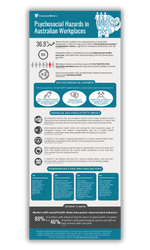
Psychosocial Hazards in Australian Workplaces
Discover the latest stats on mental health risks, claims, and costs affecting Australian workplaces.
The Loneliness Epidemic and Our Furry Antidote
One of the most insidious psychosocial hazards facing modern society is the loneliness epidemic. Even before the pandemic, studies highlighted a growing sense of isolation, which only intensified during lockdowns. Loneliness isn't just a feeling; it's a significant health risk, comparable to smoking or obesity.
Enter our pets. They are masters of companionship. A dog eagerly awaiting your return, a cat purring on your lap – these interactions provide consistent, non-judgmental social connection. For those working from home, pets can fill the void of office chatter and casual interactions, offering a comforting presence throughout the day. This simple, yet profound, act of shared existence directly combats feelings of isolation and fosters a sense of belonging.
Beyond Warm Fuzzies: The Tangible Benefits of a Pet Friendly Approach
The positive impact of pets extends far beyond emotional support, contributing significantly to the creation of psychologically safe workspaces.
Reduced Stress and Anxiety: Interacting with pets has been shown to lower cortisol levels (the stress hormone) and increase oxytocin (the "love hormone"). This physiological response can significantly reduce workplace stress and anxiety, contributing to a calmer, more focused workforce.
Improved Mood and Morale: The mere presence of pets can lighten the atmosphere, spark conversations, and provide much needed breaks from demanding tasks. This boost in mood can lead to increased job satisfaction and a more positive work culture.
Physical Health Benefits: Let's not forget the physical advantages! Dog owners, in particular, often report higher levels of physical activity due to regular walks. This increased step count isn't just good for the dog; it's excellent for the owner's cardiovascular health, mood and overall wellbeing. Even patting a cat can lower blood pressure.
Mitigating Workers Compensation Claims:During 2021 and 2022 Mental health conditions accounted for 9% of all serious workers' compensation claims, a 36.9% increase since 2017-18. The median time lost was more than 4 times greater than that of all physical injuries and illnesses and generally more costly. By fostering a more supportive and less stressful environment, workplaces that acknowledge and even integrate the role of pets can indirectly contribute to a reduction in stress related workers compensation claims. A psychologically safe environment is one where employees feel supported, reducing the likelihood of mental health issues escalating to the point of needing formal intervention.
Free Infographic Download:
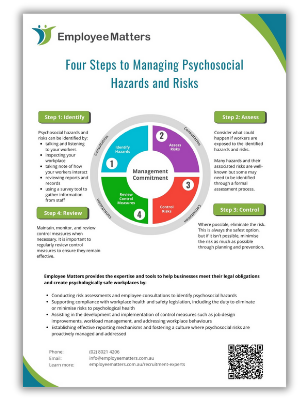
4 Steps to Managing Psychosocial Hazards and Risks
Discover 4 practical steps to identify and control psychosocial hazards before they impact your workplace.
Pets in the Workplace: At Home and In the Office
The integration of pets into our working lives is becoming increasingly evident. For remote workers, their pets are already integral to their home office setup, offering constant comfort and companionship. Recognising this dynamic is crucial for employers in understanding the unique needs and benefits of their remote workforce.
But what about the traditional office? The concept of pets in the workplace is gaining traction, with some progressive companies embracing pet-friendly policies. Imagine the potential: an office where a wagging tail or a gentle purr provides an instant mood lift, encourages breaks, and fosters a more relaxed and collaborative atmosphere.
Checklist Download:
Do You Have A Compliant Workplace Health And Safety Approach
The solution isn't just about tolerating our pets; it's about actively recognising and leveraging the profound positive impact they have on our wellbeing and, by extension, our productivity and mental health.
For individuals, it's about cherishing that unique bond and allowing our pets to be the anchors they are. For employers, it means:
Acknowledging the role of pets for remote workers: Understanding that pets are often an integral part of their home based support system.
Considering pet-friendly office policies: Exploring how the responsible integration of pets into the physical workplace could foster a more positive and psychologically safe environment.
Promoting flexible work arrangements: Allowing employees to manage their work-life balance in a way that includes caring for their pets, which in turn supports their own mental health.
Our pets offer more than just companionship; they are powerful allies in the fight against psychosocial hazards like loneliness, stress, and anxiety. By embracing their role in our lives, both at home and potentially in the office, we can cultivate environments that are not only more humane but also genuinely healthier and more productive. So, next time your furry (or subtly disgusted) friend demands attention, remember the incredible benefits they bring – for your mental health, your physical wellbeing, and the overall peace of mind we all seek.
Take the First Step in Supporting Your Employees
An Employee Assistance Program (EAP) offers confidential support to strengthen workplace wellbeing. Get the free guide to see why it matters for your organisation
Ready to Build a Healthier, More Productive Workplace?
Contact us today to explore how a pet-inclusive policy can protect your people, enhance your reputation, and boost your company's success. Call us at (02) 8021 4206 or email us at info@employeematters.com.au.